


Teak wood is renowned for its remarkable durability and resistance to the harsh marine environment, making it a preferred choice for boat builders and owners alike. Over time, however, even the most resilient teak surfaces can show signs of wear and tear, necessitating refinishing to restore their original beauty and functionality. This guide will provide you with a detailed, step-by-step approach to effectively refinish teak wood on your boat.
The process of refinishing teak wood involves several critical steps, including preparation, cleaning, sanding, and applying a protective finish. Each step is essential to ensure that the wood retains its natural luster while providing long-lasting protection from the elements. Proper refinishing not only enhances the aesthetic appeal of your boat but also contributes to the longevity of the teak, allowing you to enjoy its beauty for years to come.
By following this guide, you will gain the knowledge and confidence needed to tackle the refinishing of your boat’s teak surfaces. With the right tools, techniques, and a little patience, you can transform your weathered teak wood back to its former glory, making your marine experience all the more enjoyable.
Preparing Your Teak Wood Surface for Restoration
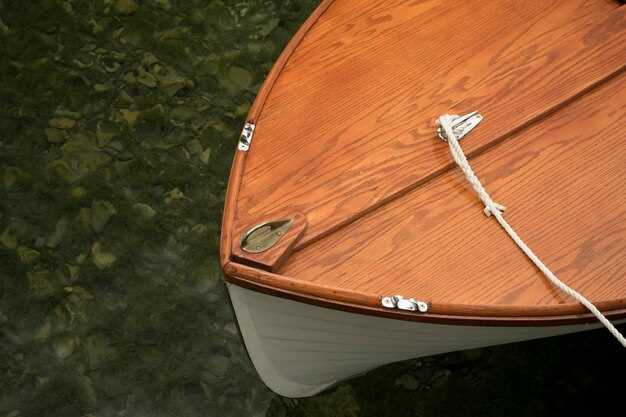
Before embarking on the restoration of your teak wood, it is crucial to meticulously prepare the surface to ensure optimal results. The condition of your wood significantly impacts the success of the restoration process.
Step 1: Cleaning
Begin by thoroughly cleaning the teak wood surface. Use a marine-grade cleaner specifically designed for wood. This will remove any grime, mold, or mildew that may have accumulated. Apply the cleaner with a soft brush, working in the direction of the wood grain, to avoid any scratches.
Step 2: Removal of Old Finish
Next, assess the existing finish on your teak. If the wood has been previously treated with varnish or sealant, it must be stripped away. Use a high-quality chemical stripper or a sanding method. When sanding, start with coarse-grit sandpaper and move to finer grits to achieve a smooth surface. Always sand along the grain to maintain the wood’s integrity.
Step 3: Inspection
After cleaning and stripping, closely inspect the wood for any signs of damage or rot. Pay special attention to joints and corners, as these areas are commonly vulnerable. Replace any severely damaged sections, as compromised wood will affect the overall aesthetics and durability of the restoration.
Step 4: Final Cleaning
Once the old finish is removed, perform a final cleaning to eliminate any dust and debris from sanding. A damp cloth can be used for this purpose. Ensure that the surface is completely dry before moving on to the next stage of restoration.
Step 5: Preparation for Treatment
Finally, prepare the surface for treatment by applying a wood conditioner or a teak oil. These products will enhance the natural beauty of the wood while providing essential nutrients. Follow the manufacturer’s instructions for application, and allow adequate drying time before applying any further finish.
By carefully preparing your teak wood surface, you set the foundation for a successful restoration, allowing the natural beauty of the wood to shine through once again.
Selecting the Right Products for Teak Restoration
When embarking on a teak wood restoration project for your marine vessel, selecting the appropriate products is crucial to achieve the best results. A well-planned approach will enhance the durability and appearance of your boat’s wood. Below are essential considerations to guide your selection process.
- Teak Cleaners:
Start with a quality teak cleaner specifically formulated for marine environments. These products effectively remove dirt, grime, and old finishes without damaging the wood fibers.
- Teak Brighteners:
After cleaning, use a teak brightener to restore the natural color of the wood. Brighteners often contain oxalic acid, which helps lift stains and brings back the vibrant golden hue of teak.
- Sealers:
For long-lasting protection, choose a marine-grade teak sealer. This product provides a barrier against UV rays and moisture, preventing the wood from fading and warping over time.
- Oils:
If you prefer a natural look, consider using a high-quality teak oil. This option penetrates the wood, enhancing its grain while providing a level of protection. However, oils may require more frequent reapplication than sealers.
- Sanding Products:
Invest in fine-grit sandpaper or a power sander for smoothing surfaces before applying finish. Ensure the products are suitable for marine use to avoid compromising the wood’s integrity.
Lastly, always follow the manufacturer’s instructions for each product to ensure compatibility and effectiveness. With the right products at hand, your teak restoration project can enhance the beauty and longevity of your marine wood surfaces.
Applying Finishing Techniques for Long-lasting Protection

Restoration of teak wood on your boat requires a systematic approach to ensure long-lasting protection against the harsh marine environment. The application of appropriate finishing techniques is crucial for enhancing the durability and appearance of teak. Begin by thoroughly cleaning the wood surface to remove dirt, grime, and previous finishing layers.
Once the surface is prepared, select a high-quality marine varnish or teak oil suited for exterior use. Varnish provides a hard protective layer that resists UV rays and water, while teak oil penetrates the wood, nourishing it and emphasizing the natural grain. Depending on your preference for gloss and maintenance, choose accordingly.
For varnishing, apply a thin coat using a high-quality brush or foam applicator. Work in the direction of the wood grain, ensuring even coverage. Allow the first coat to dry completely before lightly sanding with fine-grit sandpaper. This step removes any imperfections and promotes adhesion for subsequent layers.
Repeat the application process, usually two to three coats of varnish are necessary for optimal protection. Each coat should be sanded lightly after drying. If you opt for teak oil, apply it liberally and wipe off the excess after a few minutes. This method does not require sanding between applications, which makes it less labor-intensive.
Regardless of the finish chosen, ensure that the teak wood is protected by reapplying the finish regularly, typically every 6 to 12 months, depending on exposure to elements. Proper restoration and finishing not only enhance the beauty of teak but also significantly extend its lifespan and resilience, making it an essential aspect of boat maintenance.


