

When it comes to maintaining a vessel, understanding the plumbing systems on board is essential for ensuring a seamless and enjoyable experience on the water. Proper management of water supply and wastewater systems is critical not only for convenience but also for safety and hygiene. A well-designed plumbing system can prevent leaks and water damage, which are common concerns for boat owners.
The heart of a boat’s plumbing system often revolves around a pump, which is responsible for managing the flow of water throughout the vessel. From freshwater systems to bilge pumps, knowing how these devices operate is vital for troubleshooting potential issues. Regular maintenance and understanding the function of each component can help boaters avoid costly repairs and ensure a reliable supply of water while at sea.
As you explore the fundamentals of boat plumbing, it’s important to familiarize yourself with key components such as tanks, hoses, and valves, along with the pump systems that move water in and out of the boat. By doing so, you will not only enhance your boating experience but also extend the lifespan of your plumbing systems, making your time on the water safer and more enjoyable.
Understanding Marine Plumbing Components and Their Functions
Marine plumbing systems are essential for ensuring the efficient operation of all water-related functions on a boat. These systems typically include various components, each with distinct roles and functionalities. Understanding these components is crucial for maintaining a reliable plumbing system on any vessel.
One of the primary components is the pump. Marine pumps are designed to move water from one place to another, whether for bilge water removal, fresh water distribution, or waste management. There are different types of pumps used in marine applications, including diaphragm pumps and submersible pumps, each suited for specific tasks. For instance, bilge pumps are critical for removing water that accumulates in the bilge, preventing potential flooding and ensuring safety.
Another key element in marine plumbing is the piping system, which comprises various hoses and rigid pipes that transport water throughout the vessel. These pipes are typically made of materials resistant to corrosion and wear, such as PVC or reinforced rubber. Proper routing and securing of these pipes are vital to avoid leaks and ensure efficient flow.
Valves play an equally important role in marine plumbing systems. They enable operators to control water flow and direct it to different systems on the boat. Common types of valves used in marine plumbing include ball valves, check valves, and gate valves. Each type serves a specific purpose, such as preventing backflow or shutting off water supply during repairs.
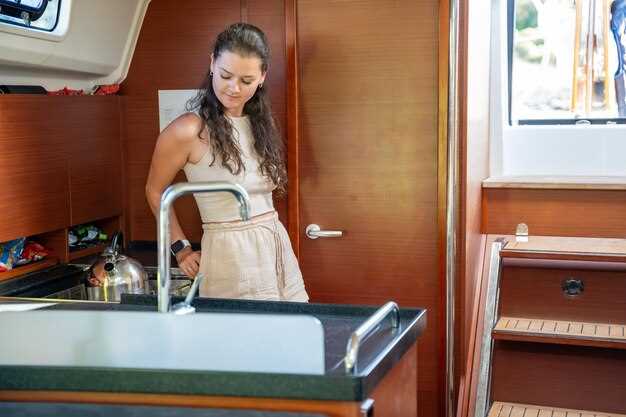
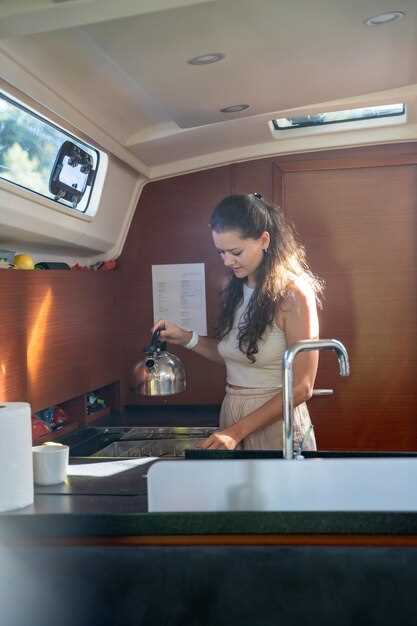
Faucets and sinks are the user interface components of marine plumbing. They provide access to fresh water for various onboard tasks, such as cooking and cleaning. Marine faucets are specifically designed to withstand the marine environment, featuring corrosion-resistant materials and optimized designs for easy operation.
Lastly, there are holding tanks used in waste management systems. These tanks store sewage and wastewater until it can be properly disposed of at a designated facility. Holding tanks are equipped with level indicators and discharge systems to ensure that waste management complies with environmental regulations.
In summary, by understanding the various marine plumbing components and their functions, boat owners can ensure their systems operate effectively, enhancing safety and comfort aboard their vessels.
Common Issues in Boat Plumbing and How to Troubleshoot Them
Boat plumbing systems are essential for managing freshwater, wastewater, and other vital resources on board. However, marine plumbing systems can encounter several common issues that may disrupt their functionality. Understanding how to identify and troubleshoot these problems can save you time and money while ensuring your vessel remains seaworthy.
One of the most frequent issues is clogged pipes. This can occur due to debris accumulation, such as food particles or sediment. To troubleshoot, inspect the plumbing lines, and use a plumber’s snake or a high-pressure water jet to clear the blockage. Regularly cleaning filters and screens can also help prevent clogs from forming in the first place.
Leaking hoses or fittings can lead to significant water loss and potential damage to the boat. To locate leaks, visually inspect all connections and hoses, looking for signs of water or corrosion. Tightening loose fittings may solve the problem, but if hoses are cracked or damaged, they should be replaced promptly to avoid further complications.
Another common issue is inadequate water pressure. This could be caused by a malfunctioning water pump, blocked intake strainer, or air in the system. Begin troubleshooting by checking the pump for proper operation and ensuring all valves are open. If the strainer is clogged, clean it thoroughly to restore optimal water flow.
Excessive noise from the plumbing system can signal air trapped within the pipes. Bleeding the system by opening faucets can help release this trapped air, leading to quieter operation. If noises persist, check for loose fittings or supports that may need tightening.
Lastly, odors emanating from wastewater systems are an indication of potential issues. Check holding tanks and discharge hoses for leaks or blockages. Regular maintenance, such as using odor eliminators and ensuring proper tank pumping schedules, can mitigate unpleasant smells and keep the plumbing system sanitary.
By understanding these common marine plumbing issues and knowing how to troubleshoot them effectively, boat owners can maintain their vessels in optimal condition and ensure a more enjoyable experience while on the water.
Choosing the Right Water Pump for Your Vessel
Selecting the appropriate water pump for your marine vessel is crucial for maintaining an efficient plumbing system. The right pump ensures reliable water supply and effective waste management, both essential for comfortable and safe boating experiences.
Begin by assessing your specific needs. Consider the type of water system installed on your boat, whether it’s for fresh water, grey water, or bilge pumping. Each application may require a different pump type, such as diaphragm pumps for low flow and high pressure, or centrifugal pumps for higher flow rates.
Evaluate the pump’s capacity, which is typically measured in gallons per minute (GPM) or liters per minute (LPM). Choose a pump that matches the demands of your system, taking into account the total dynamic head (TDH) that includes factors like height and distance the water must travel.
Another significant factor is the power source. Most marine pumps operate on 12V or 24V DC systems, but some may require AC power, particularly larger pumps. Ensure that your electrical system can accommodate the chosen pump without the risk of overload or insufficient performance.
Durability and resistance to corrosion are vital characteristics for marine pumps due to exposure to harsh environments. Look for models designed with marine-grade materials to withstand moisture and saltwater, which can significantly extend the pump’s lifespan.
Noise levels can also influence your decision. Some pumps operate silently, while others may be noticeably louder. If noise is a concern, consider installing sound dampening materials around the pump or selecting a quieter model.
Finally, installation requirements and maintenance needs should factor into your choice. Some pumps are user-friendly and easy to replace, while others may require professional installation. Ensure you have access to replacement parts and service guidelines to keep your pump functioning optimally.
By carefully evaluating these factors, you will be better equipped to select the ideal water pump for your boating plumbing system, ensuring reliability and efficiency for all your maritime adventures.


