


For those who are venturing into the exciting world of sailing, selecting the right boat as a starter is crucial. New sailors may often feel overwhelmed by the variety of options available. However, choosing a small boat specifically designed for beginner sailors can make the learning process smoother and more enjoyable.
Small boats are ideal for budding sailors as they provide ease of handling, stability, and affordability. These vessels allow beginners to gain confidence on the water, learn essential skills, and understand the fundamentals of sailing without the intimidation often associated with larger yachts. In this article, we will explore some of the best small boats that cater to new sailors looking to embark on their maritime adventures.
Whether you are drawn to the thrill of racing or the tranquility of leisurely cruising, selecting the right small boat is an important step in your sailing journey. With careful consideration and guidance, even novice sailors can find the perfect vessel that meets their needs and enhances their sailing experience.
Top Recommendations for Affordable Starter Boats
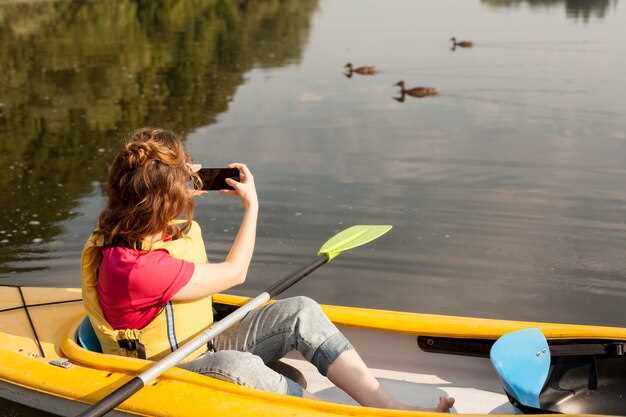
When entering the world of sailing, selecting a suitable and affordable starter boat is crucial for gaining skills and confidence on the water. Here are some top recommendations that offer great value and ease of use for beginners.
The Sunfish is a classic choice for novice sailors. Its simple design and lightweight construction make it easy to handle and maneuver. With a centerboard and a single sail, the Sunfish offers a stable platform for learning the basics of sailing without overwhelming a beginner.
Another popular option is the Catalina 22. This small keelboat provides a good balance of performance and comfort. With ample space for a small crew, it’s perfect for daysailing and weekend trips. The Catalina 22 also comes with a reputation for reliability, making it a strong candidate for beginners looking to enhance their skills.
The Hobie Wave is a catamaran that introduces beginners to the thrill of multihull sailing. Its straightforward design and sturdy construction allow for easy handling and quick learning. The Hobie Wave is suitable for both single-handed sailing and small group excursions, offering flexibility for new sailors.
For those interested in dinghy sailing, the 420 dinghy is an excellent choice. This boat is designed for two sailors and emphasizes teamwork and communication. Its competitive edge also appeals to those who may want to progress into racing as they gain experience.
The Porta-Bote is a unique folding boat that is portable and easy to store. It’s a versatile option for beginners, making it simple to explore various waterways. With its lightweight design, the Porta-Bote can be easily transported and launched, allowing access to sailing experiences without the need for a large trailer.
All these boats are accessible in terms of price and offer beginner sailors a platform to learn important sailing skills. They feature manageable sizes, stable designs, and a supportive community of users, making them fantastic starter options for those venturing into sailing.
Key Features to Look for in Beginner Sailing Vessels
When searching for a starter boat, it is essential to focus on several key features that will enhance the sailing experience for beginners. First and foremost, stability is crucial; a boat with a wide beam and a low center of gravity will provide a more comfortable and secure feeling while sailing.
Another important aspect is the ease of handling. Look for vessels equipped with simple rigging systems and easily adjustable sails. A boat with a manageable amount of sail area will make it easier for beginners to learn the basics without feeling overwhelmed.
Consider the size of the boat as well. Smaller boats, typically in the range of 14 to 22 feet, are recommended for new sailors due to their maneuverability and less demanding maintenance. Additionally, lightweight materials like fiberglass can contribute to improved performance and ease of transport.
Safety features are also paramount for beginner vessels. Look for boats that include sturdy lifelines, reliable flotation devices, and well-designed drainage systems to prevent water accumulation.
Finally, ensure that the selected boat offers a comfortable cockpit and seating arrangement. Ample space allows for easy movement and interaction among crew members, making the learning process more enjoyable.
Safety Tips for New Sailors on Small Boats

For beginner sailors, understanding safety protocols is crucial when navigating small boats. First and foremost, always wear a life jacket. This fundamental piece of safety equipment ensures that you stay buoyant if you happen to fall overboard.
Before setting out, check the weather conditions. Wind and wave forecasts can change rapidly, and it’s essential to know what to expect. Avoid sailing in severe weather conditions that could put you and your boat at risk.
Familiarize yourself with the boat’s features and operation before leaving the dock. Know where the safety gear is located, including flares, a first aid kit, and a fire extinguisher. Understanding how to operate the boat effectively will enhance your confidence and safety.
Always sail with a companion. Having someone else on board allows for better communication and assistance in emergencies. Ensure that both of you understand basic sailing procedures and safety measures.
Keep a proper lookout for other vessels and navigational hazards. As a beginner, it’s easy to get distracted, but maintaining awareness of your surroundings is vital for avoiding collisions.
Learn about the principles of right-of-way on the water. Understanding which boats have priority can help prevent accidents while sailing. Basic knowledge of nautical rules will enhance your safety and that of others.
Practice capsizing drills in a controlled environment. Knowing how to react if your small boat capsizes can make a significant difference in an emergency situation. It’s beneficial to understand the steps to take when faced with such an event.
Lastly, set a sail plan and share it with someone onshore. Informing others of your intended route and expected return time provides a safety net in case something goes wrong.


