

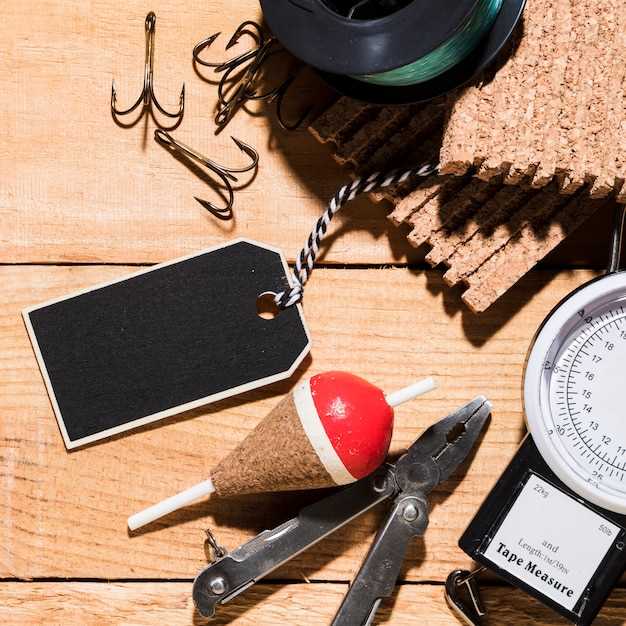
Fishing is not just a hobby; it is a passion that connects enthusiasts to nature and offers the thrill of the catch. One essential accessory that every fisherman should consider is a reliable rod holder. A holder serves multiple purposes, whether you are waiting for a bite, setting up your gear, or managing multiple lines. Creating your own DIY rod holder can enhance your fishing experience while providing you with a sense of accomplishment.
Building a rod holder tailored to your needs is not only cost-effective but also allows you to customize it for different fishing environments. From serene lakes to rugged shorelines, a well-designed fishing rod holder can make your outings more enjoyable. In this article, we will explore various DIY designs and materials that can transform your fishing experience, offering you the freedom to focus on what truly matters–catching fish.
Whether you are a seasoned angler or a novice, creating a DIY rod holder opens up possibilities for innovation and creativity. As we delve into the various approaches you can take, you’ll discover tips and tricks that cater to different fishing styles and preferences. Get ready to enhance your fishing adventures with a personalized touch that only a homemade holder can provide.
Choosing the Right Materials for Your DIY Rod Holder
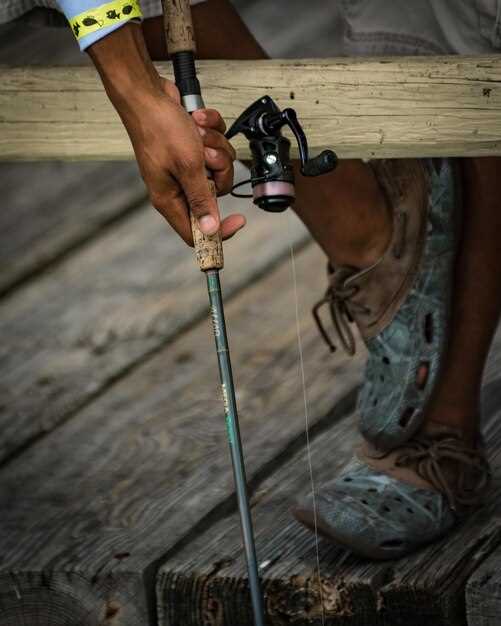
Selecting the appropriate materials for your DIY rod holder is crucial to ensure durability, stability, and functionality. The right choice will enhance your fishing experience by keeping your rods secure and accessible.
Here are some common materials to consider:
- Wood: A popular choice for its availability and ease of work. Select hardwoods like oak or cedar for durability. Ensure it is treated to withstand moisture and prevent rotting.
- PVC Pipes: Lightweight, inexpensive, and resistant to water, PVC is ideal for crafting rod holders. It is easy to cut and shape, making it suitable for various designs.
- Metal: Aluminum or stainless steel rod holders offer robust support and resistance to corrosion. They are great for more permanent setups but may require welding or drilling for customization.
- Composite Materials: Combining plastics and other fibers, composites provide a lightweight yet strong alternative to traditional materials. They are resistant to weather and easy to maintain.
When selecting a material, consider the following factors:
- Weight: Ensure that the rod holder is lightweight enough for easy transport without sacrificing strength.
- Weather Resistance: Choose materials that can withstand the elements, especially if you’ll be using the holder in variable weather conditions.
- Cost: Evaluate your budget. Some materials, like wood, may require more investment, whereas PVC is generally budget-friendly.
- Ease of Assembly: Some materials are easier to work with than others. Consider your skill level and the tools available when choosing materials.
Ultimately, the best material for your DIY rod holder will depend on your personal needs, fishing style, and environmental conditions. By carefully selecting materials, you can create a functional and enduring rod holder tailored to your fishing adventures.
Step-by-Step Guide to Building a Simple PVC Rod Holder
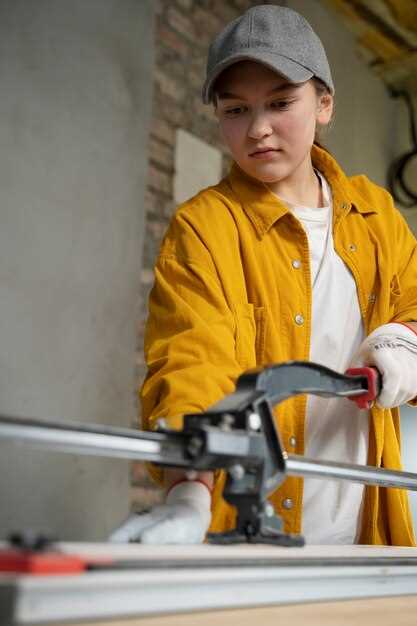
Creating a PVC rod holder is an easy and affordable project for fishing enthusiasts. This DIY guide will help you build a sturdy and functional holder using basic materials and tools.
Materials Required:
- PVC pipes (2-inch diameter)
- PVC pipe connectors (90-degree elbows and T-connectors)
- PVC cement or adhesive
- Measuring tape
- Hacksaw or PVC cutter
- Sandpaper
Tools Needed:
- Hacksaw or PVC cutter
- Measuring tape
- Marker
Step 1: Measure and Cut PVC Pipes
Decide how tall you want your rod holder to be. A common height is around 36 inches. Measure and mark this length on the PVC pipe. Using a hacksaw or PVC cutter, carefully cut the pipe. You will need four vertical pieces and two horizontal pieces for the base.
Step 2: Create the Base
Take two of the horizontal pieces and connect them with a T-connector at each end. This will form the foundation of your rod holder, ensuring stability. The two vertical pieces will be attached to the T-connectors to form the support structure.
Step 3: Assemble the Vertical Supports
Attach the vertical PVC pipes into the top of the T-connectors. Ensure they are perpendicular to the base. If necessary, use PVC cement to secure the joints tightly. Allow the adhesive to set according to the manufacturer’s instructions to ensure a strong bond.
Step 4: Add Rod Holders
For each rod holder, cut multiple sections of PVC pipe, approximately 12-14 inches in length. Connect these to the top of the vertical supports using 90-degree elbow connectors. This positioning will hold the rod securely at an angle for easy access.
Step 5: Sand and Finish
Once fully assembled, use sandpaper to smooth any rough edges or surfaces. This step prevents any injuries while handling or transporting your rod holder.
Step 6: Test Your Holder
Place your newly-built PVC rod holder in a secure location, like your garage or backyard. Test it by placing your fishing rods in the holders to ensure they fit snugly and the structure remains stable.
Your simple PVC rod holder is now complete! This easy-to-build project not only serves its purpose but also enhances your fishing experience by keeping your rods organized and accessible.
Creative Designs for Portable and Compact Rod Holders
When it comes to fishing, having a reliable and portable rod holder can enhance your experience significantly. Creative designs for compact rod holders ensure you can easily transport your gear while keeping it organized and secure. Here are some innovative concepts that cater to the needs of fishing enthusiasts.
One popular design is the collapsible rod holder made from lightweight materials such as PVC pipes. This type can be easily disassembled and stored in a bag. Simply attach the rod holder to a stable surface when you’re ready to fish, making it versatile for both shore and boat fishing.
Another ingenious idea is a belt-mounted rod holder. This hands-free solution allows anglers to keep their rods secure while navigating through challenging terrains. The design typically involves adjustable straps that comfortably fit around the waist, providing easy access to your rod without the hassle of carrying it in hand.
If you’re looking for something that combines functionality with a minimalist approach, consider a fishing rod holder that doubles as a tackle box. This compact design features slots for your rods and compartments for bait, lures, and other accessories, ensuring everything you need is within arm’s reach.
Magnetic rod holders are a modern innovation that offers convenience and stability. These holders can attach to metal surfaces, such as the side of a boat or a fishing cart. The strong magnets securely hold your rod while keeping it easily accessible when you need to make a cast.
Lastly, a portable rod holder made from an old umbrella mechanism is an eco-friendly option. By repurposing lightweight umbrella frames, you can create a sturdy rod holder that can be adjusted to various heights. This solution is not only cost-effective but also promotes sustainability among fishing communities.
In conclusion, portable and compact rod holders come in various creative designs that cater to the diverse needs of fishing enthusiasts. Whether you’re on a remote shore or a bustling dock, these innovative holders ensure that your fishing experience remains enjoyable and organized.


